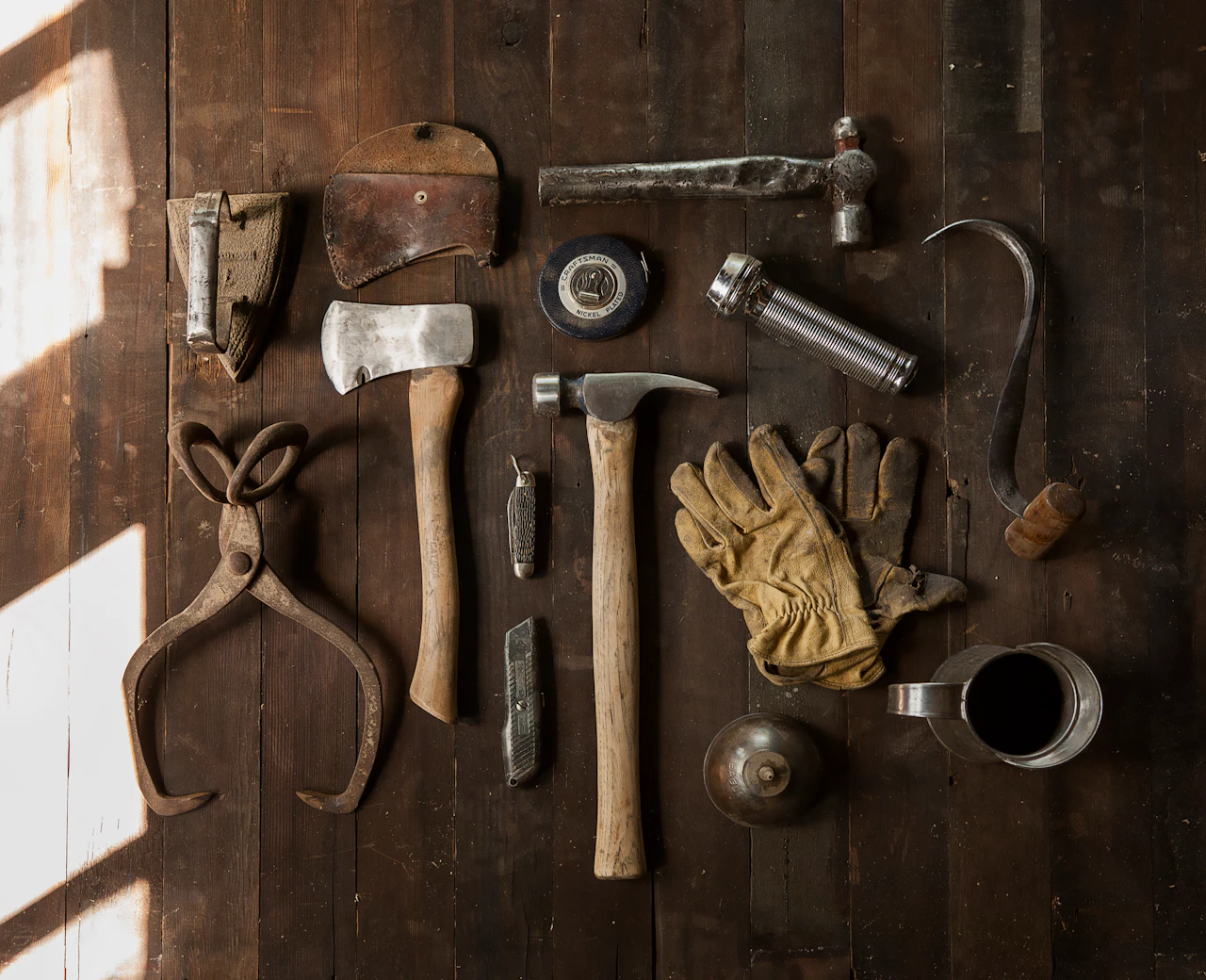
For budding home repair professionals and DIY enthusiasts alike, investing in the right tools can make or break your side hustle. Whether you’re a renter looking to save money on minor fixes or a homeowner aiming to expand your repair skills professionally, prioritizing the right tools is key. Leveraging open box deals and smart shopping strategies can help stretch your dollar while building a reliable toolkit that stands the test of time.
1. Understanding the Value of Investing in Professional Tools
Quality tools not only improve your repair efficiency but also enhance your credibility with clients. Investing wisely means balancing cost with durability and functionality. Professional-grade tools tend to offer greater precision, ergonomic benefits, and often include warranties that backyard tool kits lack. For instance, top-tier cordless drills can handle heavy workloads for electrical and carpentry tasks, which are common in home improvement projects.
Beyond the tool performance, owning professional equipment helps you command higher rates and fosters trust with customers, a cornerstone in the repair marketplace. For deep dives into how to attract and retain locals, see our guide on adapting to local market demands.
The Economic Sense of Professional Quality
While initial costs are higher than entry-level tools, the lifespan and repair capability of professional gear make it a sound investment. Cheap tools often break or falter, leading to lost time and client dissatisfaction.
Credibility and Professionalism
Clients notice when you show up with reliable, industry-standard tools—it signals expertise and reliability. Consider pairing your toolbox investment with a professional client intake system for seamless service delivery.
True Cost Comparison
Don’t overlook costs beyond the purchase price like maintenance, consumables, and necessary accessories. Tools with accessible replacement parts save money long-term; referencing our price fluctuation insights helps anticipate ongoing expenses rationally.
2. The Advantages of Leveraging Open Box Deals
Open box tools present a fantastic opportunity to acquire professional gear at steep discounts, often without sacrificing functionality or warranties. These items are returned or lightly used display units sold at reduced prices.
What to Expect From Open Box Purchases
Typically, open box tools come with full manufacturer warranties and have been inspected for quality. Buyers get brand-new or like-new performance at fractioned costs.
Where to Find Reliable Open Box Deals
Reputable sellers include major home improvement retailers and certified refurbishers. Also, explore online platforms and local stores with certified return policies akin to those highlighted in our everyday savings guide that shares practical buying tips.
Risks and Precautions When Buying Open Box
Always verify the tool’s condition, warranty status, and return policy before purchase. If possible, test functionality or ensure a money-back guarantee to mitigate risk.
3. Essential Tools Every Home Repair Side Hustler Should Have
| Tool | Primary Use | Typical Price Range | Open Box Savings | Why It’s Essential |
|---|---|---|---|---|
| Cordless Drill | Drilling, screwing | $80 - $250 | Up to 30% | Versatile; cordless convenience improves efficiency |
| Digital Multimeter | Electrical diagnostics | $25 - $100 | Up to 25% | Critical for safe electrical repairs and troubleshooting |
| Adjustable Wrench Set | Plumbing and mechanical fixes | $15 - $60 | Up to 20% | Eliminates need for multiple fixed wrenches |
| Stud Finder | Locating wall studs | $20 - $50 | Up to 15% | Prevents damage by ensuring proper mounting points |
| Oscillating Multi-Tool | Cutting, sanding, scraping | $60 - $200 | Up to 30% | Highly versatile for detailed and tight-space jobs |
For more insights on critical tools and their applications, our comprehensive price guide for homeowners is a must-read.
4. Power Tools vs. Hand Tools: When to Invest
Knowing when to invest in power tools can boost your efficiency dramatically. For heavy-duty or repetitive tasks, power tools save time and physical strain, while hand tools remain indispensable for precision work and tight spots.
Begin your side hustle with a balanced toolkit: a quality drill, reliable wrenches, and measurement gadgets are foundation stones. Refer to our review on compact studio setups for tips on optimizing your workspace and tool organization.
Ergonomics and Durability
Professional tools offer ergonomic design that reduces fatigue. For side hustlers planning long work hours, this benefit fosters consistent quality and safety.
Tool Maintenance Costs
Power tools need battery replacements and more servicing, so factor these into your budget alongside initial investment. Check out our cost fluctuation insights for expected ongoing expenses.
5. Tools to Help Renters and DIYers Save Big
Renters often face limitations on significant property modifications, but with the right tools, quick repairs and improvements become feasible and affordable.
Invest in portable, multi-use tools like a compact drill and a versatile multi-tool kit. These tools allow you to fix common problems without extensive installations.
Our DIY home projects guide offers inspiring ways to leverage simple tools for impressive home upgrades.
Simple Fixes Made Easy
Learn to use screwdrivers, pliers, and tape measures effectively. These basics cover a broad spectrum of small repairs, light fixture replacements, and furniture assembly.
Portable Tool Storage
For renters, a compact storage solution protects your investment and keeps your toolkit transportable for moving or on-demand jobs.
6. How to Evaluate Tool Quality Before Purchase
Look for trusted brand reputations and warranties. Checking online reviews, professional forums, and product tests aids decision-making.
When buying open box items, examine return policies and verify the tool’s condition on arrival. An informed buyer is an empowered buyer.
Tools like digital multimeters and oscillating tools should meet calibration standards; references such as our electrical cost guide give insight into choosing the right specs.
Comparing Features
Compare tool features considering your side hustle’s primary needs. Examples include battery life, torque settings, variable speed, and warranty coverage.
Testing Tools in Store
If possible, handle tools in a physical store to evaluate grip, weight, and comfort, which are key for long-term use.
7. Building a Cost-Effective, Scalable Toolkit
Start with multipurpose tools that cater to the most common home repair tasks like drilling, measuring, and basic plumbing fixes.
Reinvest side hustle earnings to add specialty tools incrementally, such as rotary tools or laser distance meters. Read about smart tools integration that enhances precision.
Hand tools are often cheaper but pairing with smart diagnostic tools can set you apart in your local repair marketplace.
Tool Bundles vs. Individual Purchases
Tool bundles can offer initial savings but verify that bundled tools suit your specific needs to avoid redundant or low-quality items.
Tracking Your Tool Investments
Keep detailed records to manage depreciation and identify tools needing upgrades. This practice helps with tax deductions and business planning.
8. Harnessing Digital Tools for Repair Business Success
Integrate your physical tool investments with digital tools such as booking platforms and live video diagnostics to connect with clients faster and diagnose repairs efficiently.
For example, combining your toolkit with platforms similar to our local repair marketplace guide helps optimize appointments and transparent pricing communication.
Apps and software that manage client intake or cost estimates, like the ones discussed in our tiny studio setups review, can enhance customer trust and streamline operations.
Real-Time Diagnostics
Live video troubleshooting sessions let you remotely assist clients, reducing emergency calls and enhancing your professionalism.
Cost Management Software
Track tool-related expenses and customer billing with apps that sync with your repair scheduling to maintain transparent, upfront pricing.
9. Maintenance Tips: Keeping Your Tools in Top Shape
Routine maintenance ensures your toolkit’s longevity and peak performance. Clean tools after each use, lubricate moving parts, and store them in a dry, secure environment.
Replacing worn parts extends tool life and can retain resale value in case of upgrades or changes in your side hustle focus.
Consult our electrical maintenance insights for specifics on diagnostic devices.
Scheduled Tool Checks
Set reminders to inspect batteries, tighten screws, and recalibrate precision instruments monthly or quarterly according to usage.
>Safe Storage Solutions
Invest in lockable, padded toolboxes or wall-mounted cabinets that protect tools from damage and theft.
10. Final Thoughts: Smart Investments Build Long-Term Success
Successful home repair side hustles are built on trustworthy tools that balance cost and capability. Leveraging open box deals and focusing on professional-grade equipment maximizes your return, whether you're a renter, DIYer, or aspiring technician.
Pairing your physical investments with digitized scheduling, diagnostics, and transparent pricing platforms—as detailed in our local repairs marketplace guide—enhances client satisfaction and accelerates your business growth.
Frequently Asked Questions (FAQ)
1. Are open box tools really worth it?
Yes, open box tools often come nearly new and with warranties at a discount, providing excellent value if purchased from reputable sellers.
2. What are the must-have tools for a beginner side hustler?
A cordless drill, digital multimeter, adjustable wrenches, a stud finder, and a multi-tool provide broad utility for most home repairs.
3. How should I maintain my power tools?
Clean them after use, charge batteries properly, lubricate moving parts, and store in protective cases to prolong their lifespan.
4. Can renters invest in tools without breaking lease agreements?
Yes. Opt for portable and non-invasive tools that don't permanently alter properties, suitable for quick repairs and minor upgrades.
5. How do I balance cost and quality when buying tools?
Focus on professional-grade tools essential to your work, take advantage of open box deals, and avoid unnecessary extras. Check guides on price fluctuations and product reviews to inform decisions.
Related Reading
- Adapting to Google Ads Changes: The Essential Survival Guide - Strategies for marketing your repair services locally.
- Muslin Meets Craft: DIY Home Projects Using Recycled Fabrics - Creative ideas complementing repair work.
- Review: Tiny At-Home Studio Setups for Executives Signing Remote Approvals - Insights on setting efficient workspaces.
- Field Review: FlowMate Smart Water Bottle — Hydration, Sensors, and Integrations (2026) - Examples of smart tech enhancing daily workflow.
- Understanding Price Fluctuations: What Homeowners Should Know About Utility Costs - For budgeting ongoing tool and repair expenses.

